

RemoTest, in Person: Đuro and Marko on Years of Trust
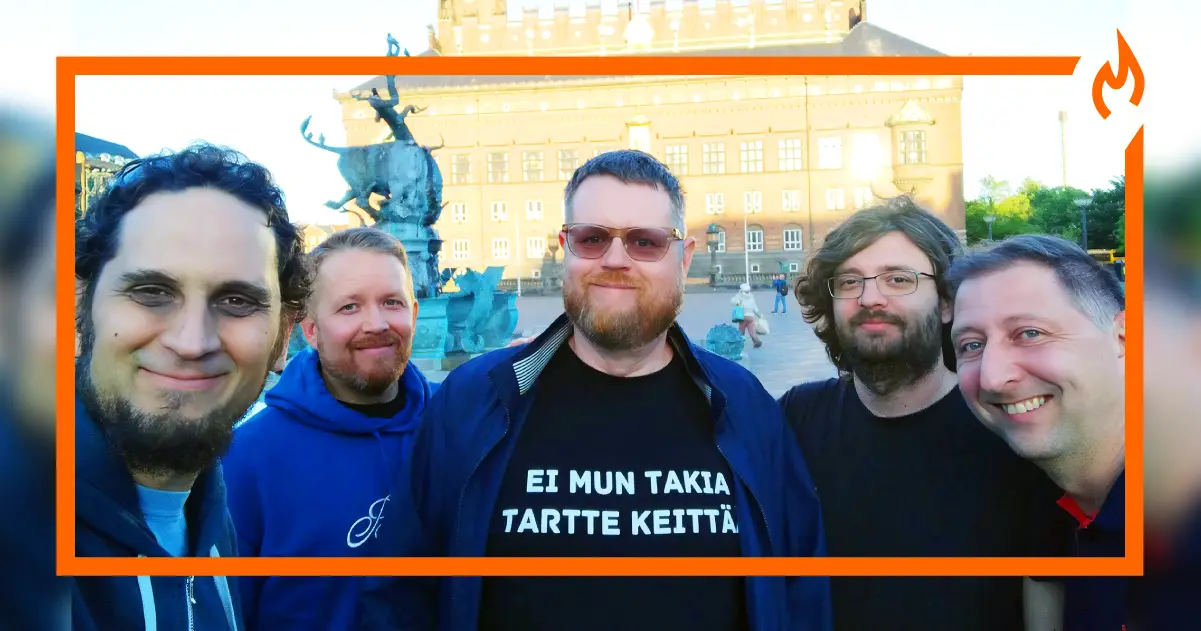
We’ve told the RemoTest story once before: how a Google search and a meeting in Helsinki turned into one of Software Sauna’s longest-running partnerships. That version came from the founder’s side. This time we wanted the other one.
We sat down with two of the developers who’ve actually lived the project day-to-day. Đuro, Senior Full Stack Developer, four years in. And Marko, Principal Engineer, has been on the project for 6.5 years, nearly since the start.
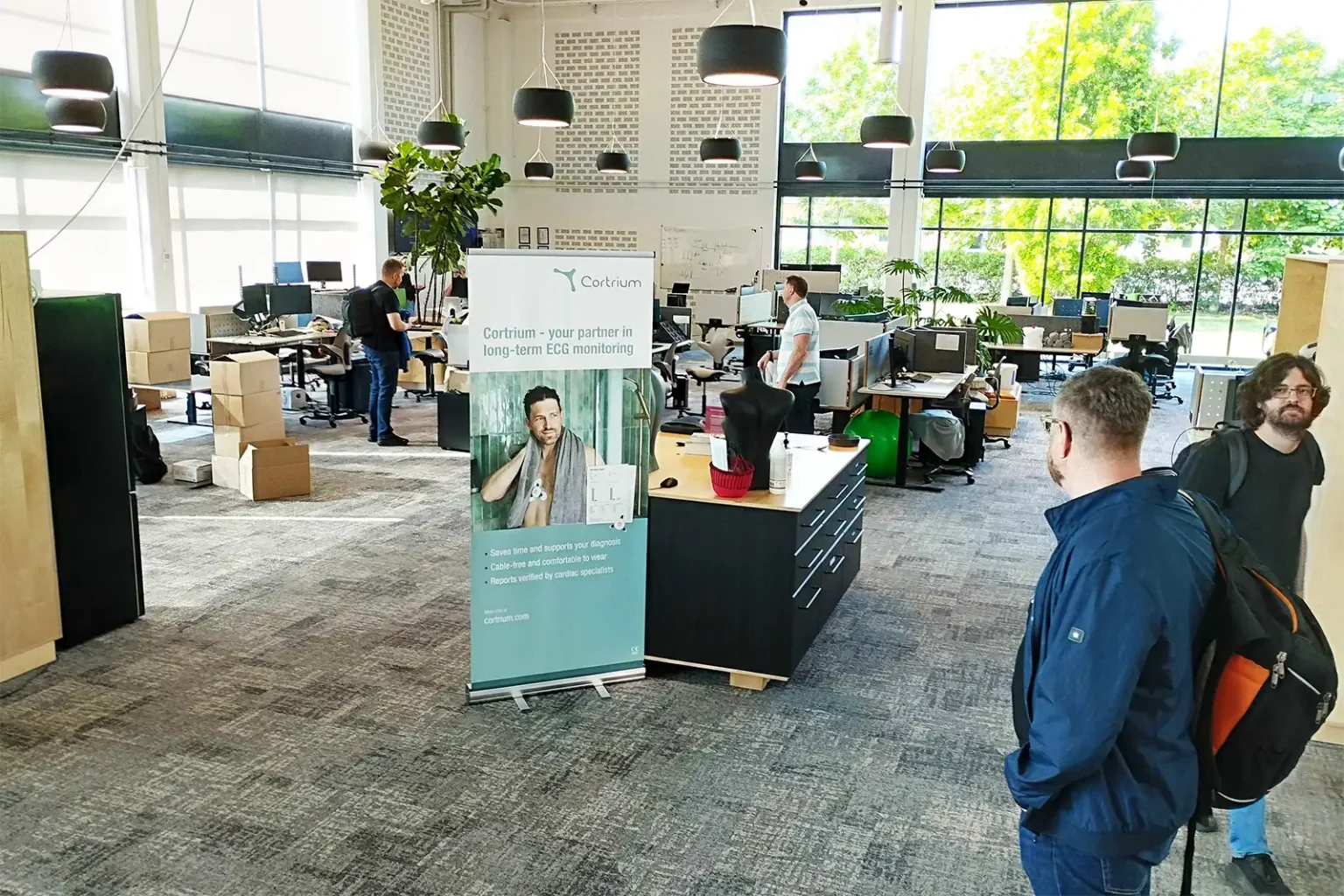
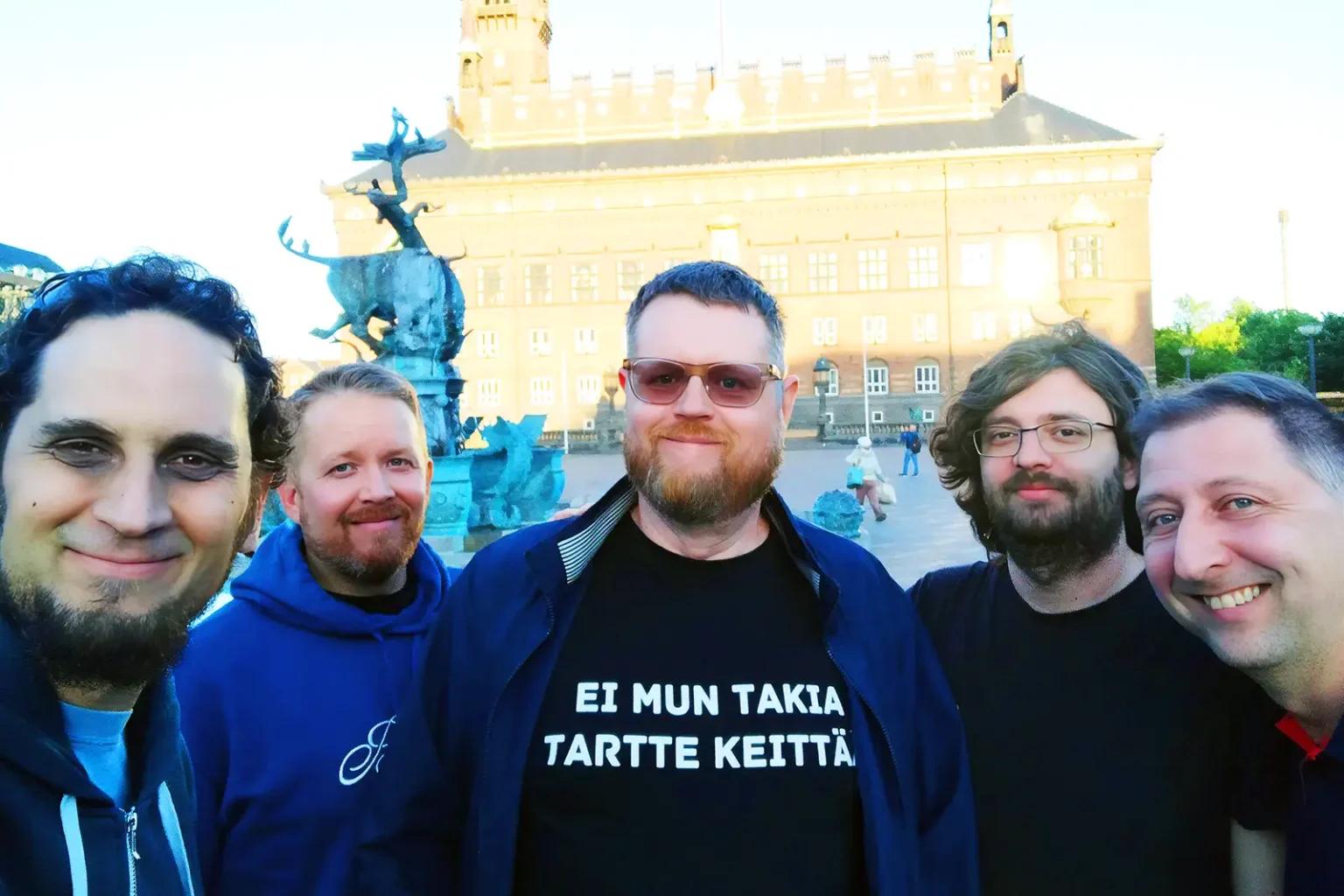
The occasion was a recent trip to Denmark, where the team met RemoTest face-to-face after long stretches of working through screens and headsets. RemoTest has since become part of Cortrium, but the project and the people on it carried straight through.
Trust First, Everything Else Second
Ask either of them what’s kept the partnership going this long, and the answer arrives without much hesitation:
“Trust and open communication. That’s the foundation,” Đuro says. No hedging, no run-up. Just the answer.
Marko gets there from a slightly different angle: directness. “If we have an unclear understanding, we immediately voice the issue and ask for clarification. If we think some idea is bad, we say it. I think the client has gotten used to that and has seen the benefits of such communication.”
He adds the part that makes it work both ways: “The client put a lot of trust in us in the beginning, and we never failed that trust.” Easy to say. Harder to live up to for six and a half years.
Out of the Headset, Into the Room
Remote collaboration builds a working relationship. It rarely builds a full one, and that’s what the Denmark trip was for. “Remote strips out a lot: body language, shared space. You’re working with disembodied voices,” Đuro says.
“Being in the same room brought that back, and it made a real difference. Faster decisions, fewer misunderstandings, better rapport afterward.”
Multiple people chiming in with their thoughts at the same time is possible. Body language can be picked up.
Marko felt the same shift, in more practical terms. The workshops, which sometimes run two or three full days, simply work better in person.
“Multiple people chiming in with their thoughts at the same time is possible. Body language can be picked up. It is much more comfortable to sit in the same room than in front of the screen with a headset for that whole time.”
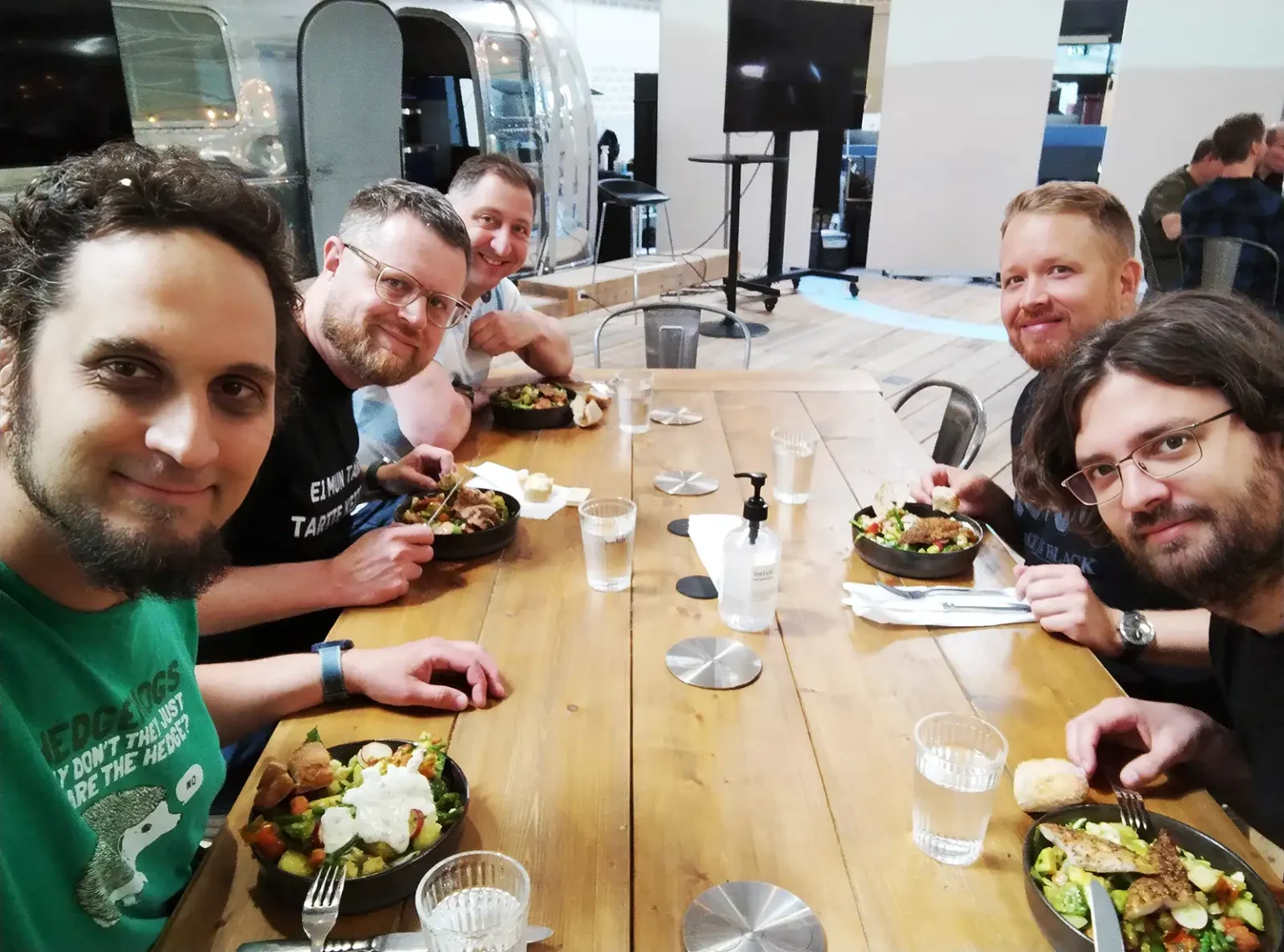
Then there’s the part that won’t make it into any project retrospective. “When we go to lunch or dinner together we talk about other stuff, like Eurovision, for example, which further strengthens the connection we have with the client.”
That’s the unglamorous truth about long client relationships. The roadmap gets agreed on in the workshop. The relationship gets built at dinner.
From MVP to Years of Compounding Detail
RemoTest didn’t arrive fully formed. It grew, piece by piece, into something more complex than its early MVP self.
Đuro, who joined partway through and estimates he’s been there for most of the project’s life, sees the progress mainly in efficiency. “The analysis now takes fewer and fewer manhours. That came directly from the client’s domain knowledge surfacing the real workflow pain points, which we then built against.”
Marko describes the same evolution from further back. Sauna’s developers and the client’s CTO work together to weigh every new idea for value and complexity, so prioritization happens before effort gets spent, not after:
“It was a huge help in the beginning, as the client was able to deliver real value sooner and supplementary value, like administration, later,” Marko tells
What never got traded off along the way was quality. “We used test-driven development on the project from the beginning, and later other XP practices like pair programming, behaviour-driven development, and continuous delivery.”
Code That Carries Weight
Healthcare software comes with a different kind of pressure. Not louder, just heavier.
“Healthcare software has a higher bar than most,” Đuro says. “The work affects how people get care, so correctness and reliability aren’t just engineering preferences. They have real consequences. That makes the attention to detail feel worth it.”
Every now and then, we are reminded of the restrictions of our domain.
Marko’s day-to-day take is more grounded. Most of the time, building it doesn’t feel different from any other web application. Until it does:
“Every now and then, we are reminded of the restrictions of our domain. We cannot implement features which might be a big help to users but would classify this as a medical device, leading to mountains of regulations. We can make mistakes in some parts of the system, but other parts have to be totally correct, easily done by TDD.” Marko sums it up plainly:
“It does feel good to know this system helps the healthcare process.”
What Actually Makes a Partnership Good
Both developers land on a similar answer when asked to define a good client relationship, but each adds something the other doesn’t say outright.
For Đuro, it’s about earning the right to push back. “The ‘actually needs’ part only surfaces when you challenge the client to explain why they’re asking for something. That’s where a good partnership shows: the client is open to being questioned, so you get to the real requirement instead of just building the request.”
For Marko, it’s about the delivery rhythm underneath the trust. “Developers should set up their delivery process to allow them to deliver small increments frequently, so the client can see the progress and give feedback earlier. We had all of those in RemoTest from the start, and I think the client is very happy with our collaboration.”
For the Upcoming Years and Meets
Nearly seven years is a long time to work with anyone, let alone a client. Most of it has happened through screens, but every so often in Helsinki, in Zagreb, and now in Denmark, the team gets back in front of each other. Đuro and Marko have been there for most of it, and from how they talk about it, neither is in a hurry to stop.
Here’s to the next visit, and the years of work in between!


